The Hedgehog's Secret Life
Discovering Their Adorable Quirks and Fascinating Habits
Did you know that hedgehogs have a secret and interesting life of their own?
These cute little critters are well-known for their spiky quills, but there is a lot more to learn about them. with their odd behaviors and intriguing habits.
We'll investigate their unusual mating rituals, hibernation habits, and amazing swimming abilities.
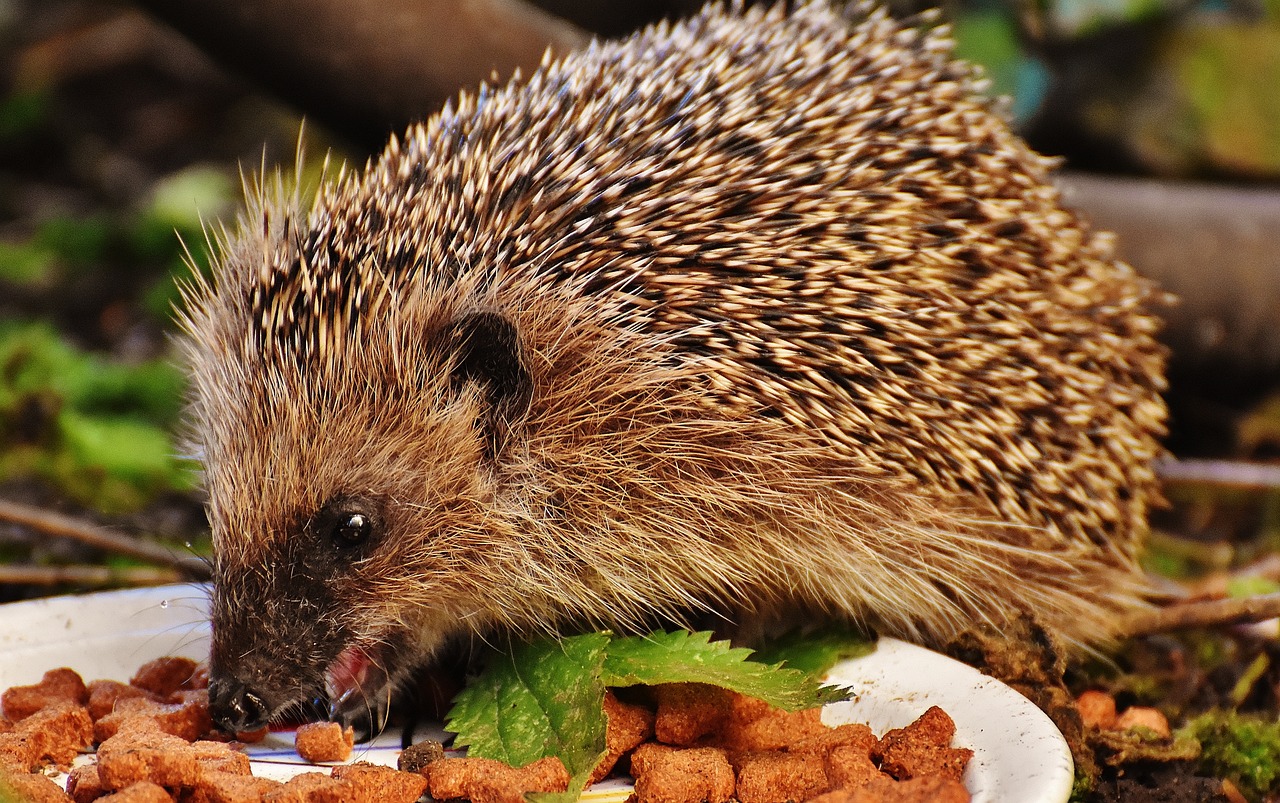
When hedgehogs meet, they make a lot of noise, with plenty of sniffing and snorting.
They even headbutt each other on occasion.
Have you wondered how they defend themselves against predators or how they breed?
We look at the answers to this and other interesting hedgehog facts.
Description
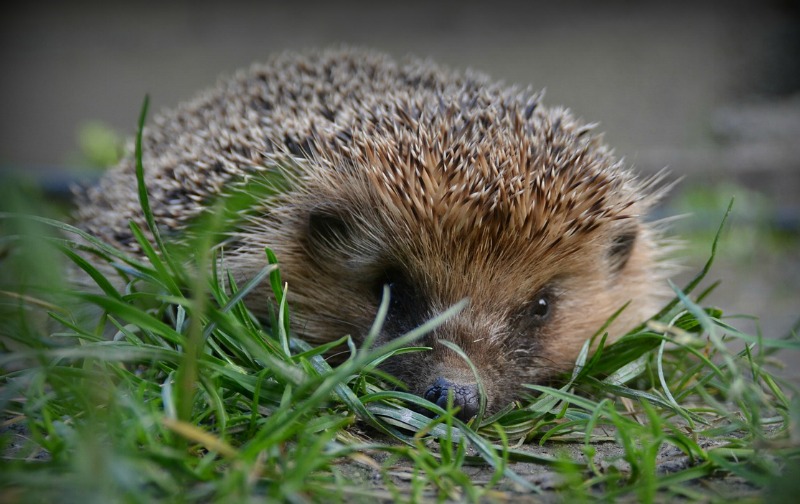
Hedgehogs are the only African animals with short spines which covers the whole back and sides.
Their faces, legs and tail are covered with hairs.
|
Head and body length |
18 centimeters |
|
Tail |
2 centimeters |
|
Weight |
240 - 400 grams |
Each spine is a thick, stiff hair.
Each spine is white at the base, black or dark brown in the middle, and white at the tip.
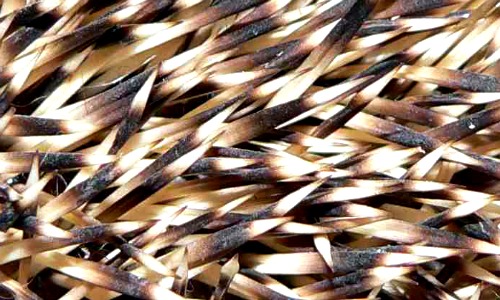 Spines are white at the base, black or dark brown in the middle, and white at the tip
They have five toes on each foot, the ears are small, and the tail is short.
What is the difference between a hedgehog and a porcupine?
One of the most significant differences between porcupines and hedgehogs is their length. Hedgehogs are shorter than porcupines.
Adult porcupines can range in length from 20 to 36 inches. They also have a tail that is 8 to 10 inches long. An adult hedgehog is 4 to 12 inches long, with a tail of around two inches.
A size comparison of these two animals must include both weight and length. An adult hedgehog weighs far less than an adult porcupine.
A fully grown hedgehog weighs between 5 and 56 ounces. An adult porcupine, on the other hand, can weigh anywhere from 10 to 28 pounds.
The hedgehog's quills are shorter, measuring around 1 inch in length. The porcupine's quill is 2 to 3 inches long, although African species can have quills up to 11 inches long.
What habitat do they prefer?
The natural habitat of these animals includessemi-aridd areas with 300–800 mm of rain per year.
They occur in a wide variety of vegetation, but not in very wet areas.
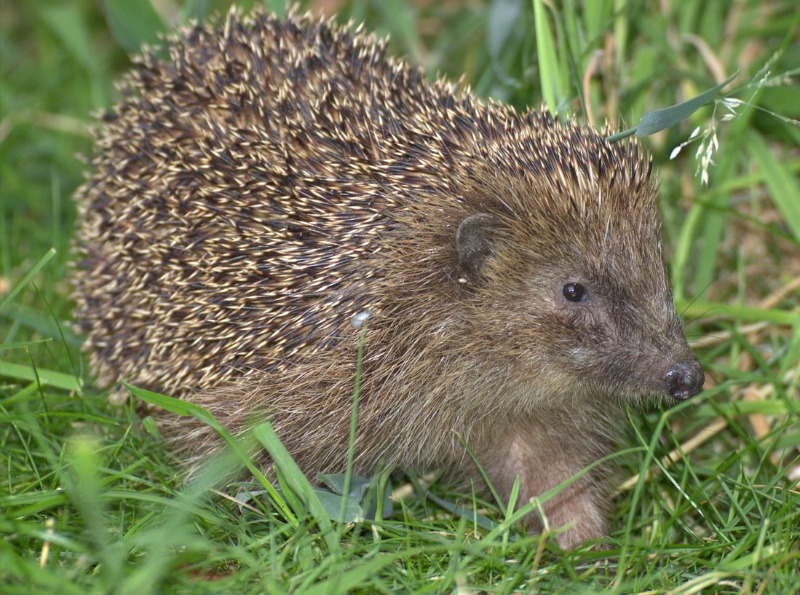
They are usually nocturnal but commonly active at dusk and dawn.
You will occasionally see them during the day when the weather is cool.
You will notice they move very slowly while foraging.
During the cold, dry, winter months when their insect food is scarce, they hibernate so they are rarely seen in winter.
If they weigh less than two hundred grams - they usually do not have enough reserves to survive through winter.
What do hedgehogs eat?
The Southern African hedgehog eat mostly invertebrates but are also known to eat:
- birds' eggs and chicks
- frogs
- lizards
- mice
- fungi and roots.
Hedgehog diet alert
Although this is a site about African Wildlife, we have been informed by a concerned UK hedgehog expert that there is a mistaken believe that hedgehogs have slugs and snails as their favorite food. The truth is that they only eat slugs and snails when their main food supply which are beetles are in short supply. This mistaken believe results in hedgehogs becoming prone to lung worm disease in the UK.
During hibernation hedgehogs lose about 19% of their body weight.
How do they breed?
Hedgehogs mating is noisy.
The male and female circle each other while sniffing and snorting each other.
While mating, the female flattens the spines on her rump.
According to research, hedgehogs are promiscuous. Males and females frequently have multiple mates in a single season.
Baby hedgehogs are called hoglets.
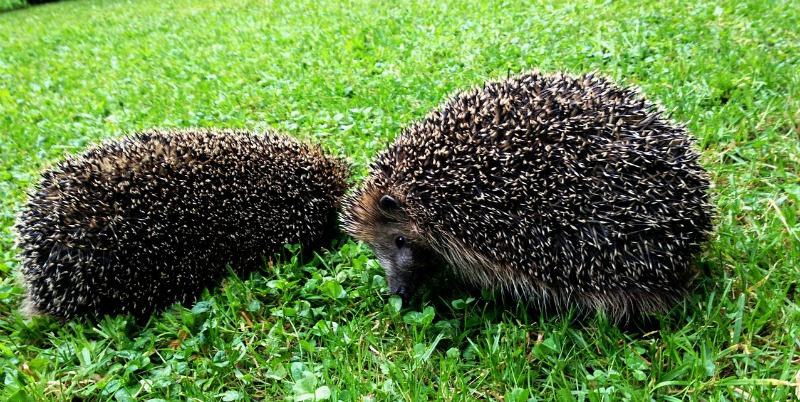 During courtship the male and female circle and sniff each other
The male holds himself in position by biting the spines on her shoulders.
The newborns are blind and naked.
The first spines emerge through the skin a few hours after birth.
|
Gestation period |
5 - 6 weeks |
|
Litter size |
Usually 4 but up to 9 in some cases |
|
When are they weaned? |
5 weeks |
|
When do they become independent? |
6-7 weeks |
Which animals hunt them?
In Southern Africa, their main predators are Giant eagle owls that eat them in large numbers.
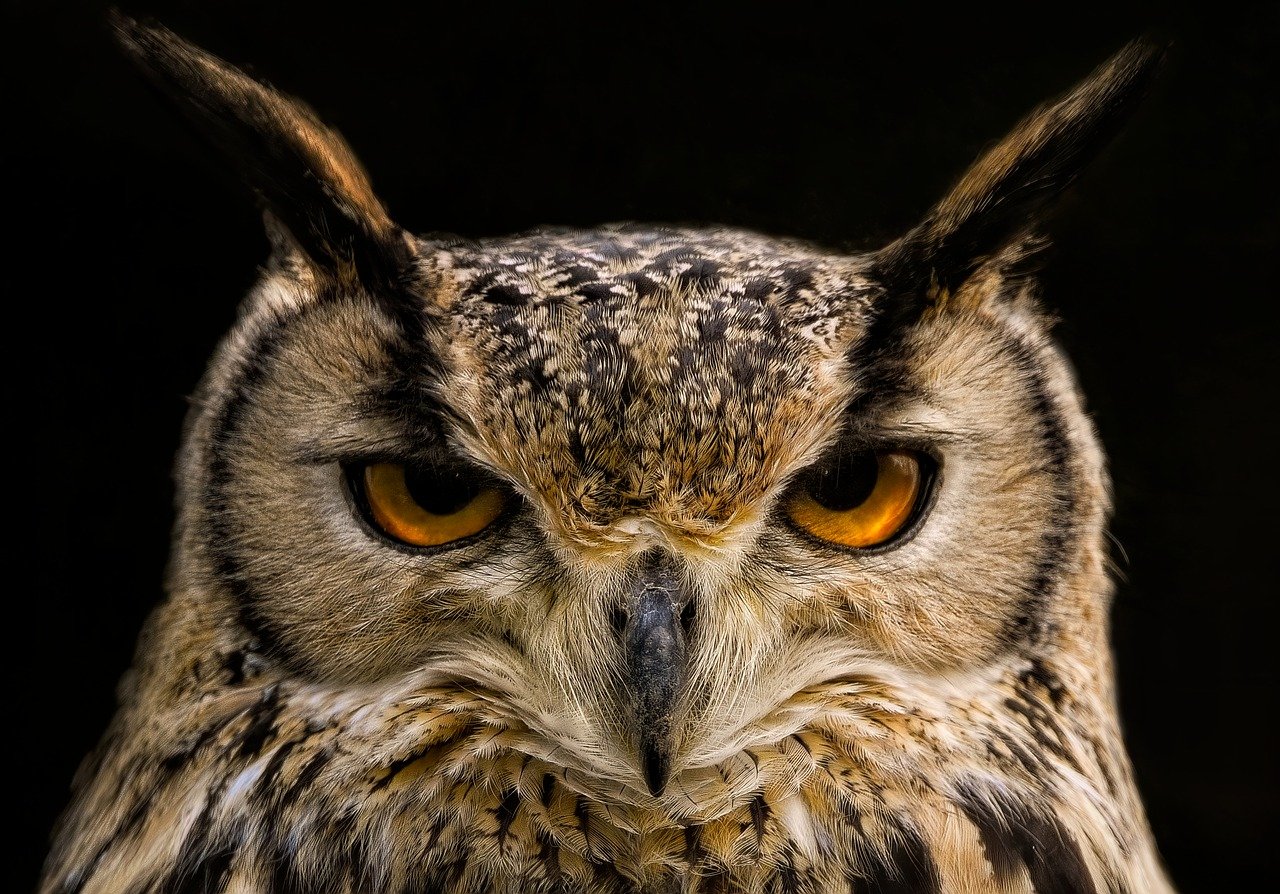 Which animals hunt hedgehogs?
The spines, which appear to provide adequate protection against other mammal carnivores, do not dissuade these owls.
How do hedgehogs defend themselves against predators?
These African animals are very noisy and do not seem to rely on concealment to hide themselves from predators.
They rely instead on their spines to protect them from predators.
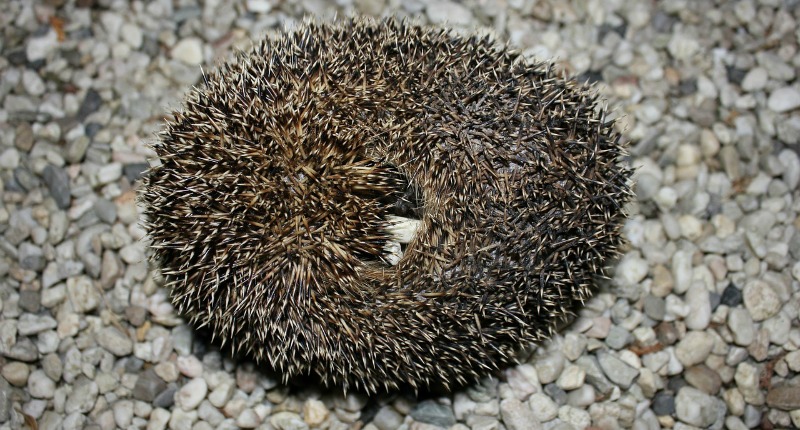
When it is disturbed, it rolls itself into a little ball.
They are equipped with muscles along the sides of the body and across the rump that can contract.
This allows them to pull the spiny skin on its back down over its heads and legs.
Their alarm call is a high-pitched screech.
The result of this action is that present a ball of interlocked spines to their attacker.
This defense is amazingly effective against lions.
They also sleep in this position, so it is unlikely that they will get caught unprotected.
When they are attacked, they also make a puffing hiss to imitate a snake.
Why are they so difficult to see in winter?
When it is winter, the days become shorter, and food becomes scarce they become torpid.
Torpor is a state of decreased physiological activity in an animal, usually by a reduced body temperature and lower metabolism. This enables animals to survive periods of reduced food availability.
During that time, they use less oxygen, breathe slower, and have reduced coordination.
That is the reason they are more difficult to see in the winter.
Conclusion
Hedgehogs are fascinating creatures, and while we occasionally see them strolling around our backyards, there's a lot about them that we wouldn't know just by studying them.
Like this page?
Wildlife home
 |
Wildlife conservation
 |